Milwaukee Bathtub Saved From Tear-Out With Full Refinishing
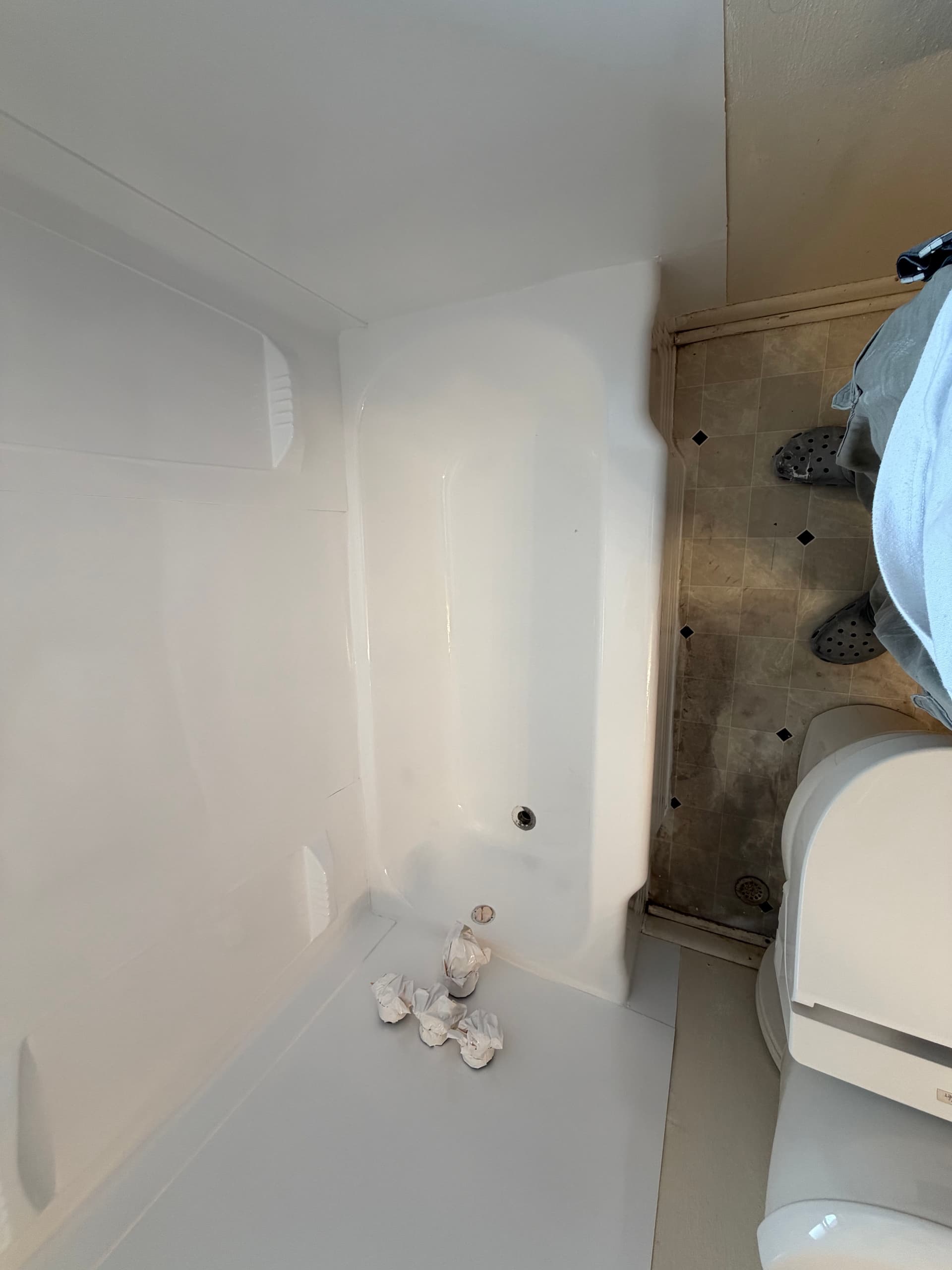
Most people look at a tub with peeling finish and cracked coating and jump straight to replacement. That's usually the most expensive call you can make. The tub we worked on here is a good example of one that looked rough but had plenty of life left in it - it just needed the right hands on it.
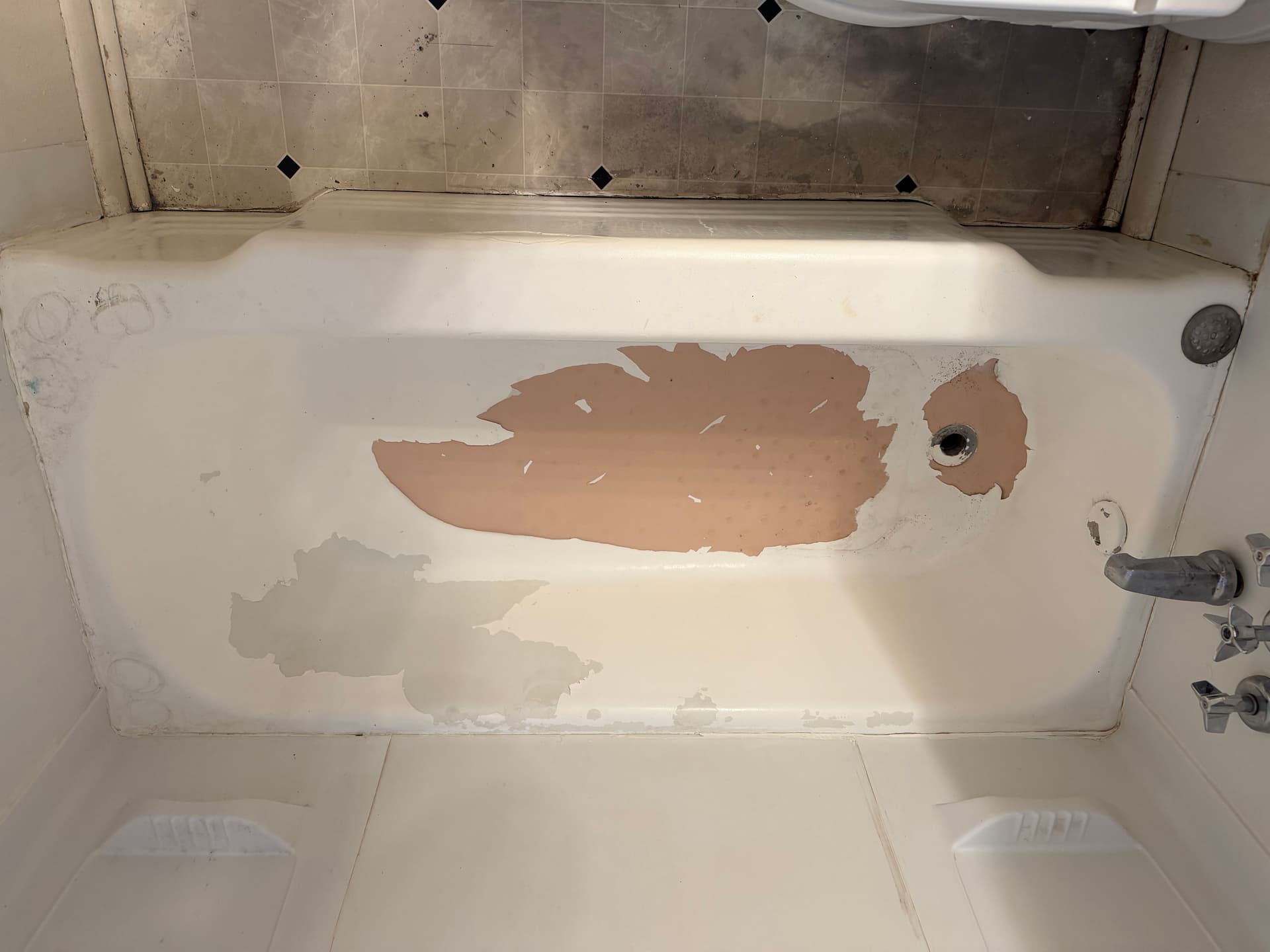
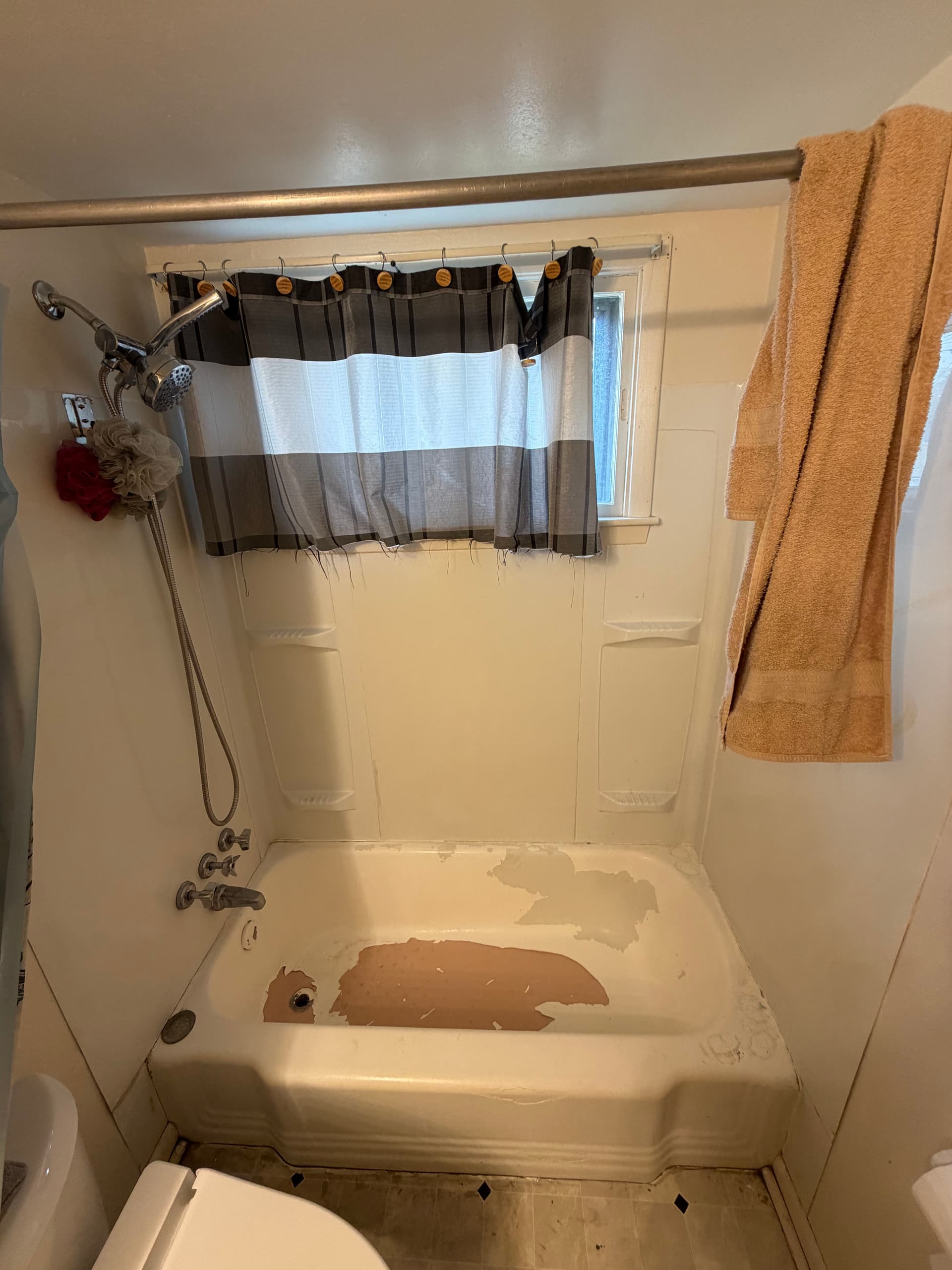
Here's what we were actually dealing with: the old finish was peeling up in large sections, exposing the base material underneath. The surface was contaminated, uneven, and had damage near the drain area that needed proper repair before anything else could happen. Skipping the prep on something like this would mean the new finish fails fast. We don't skip prep.
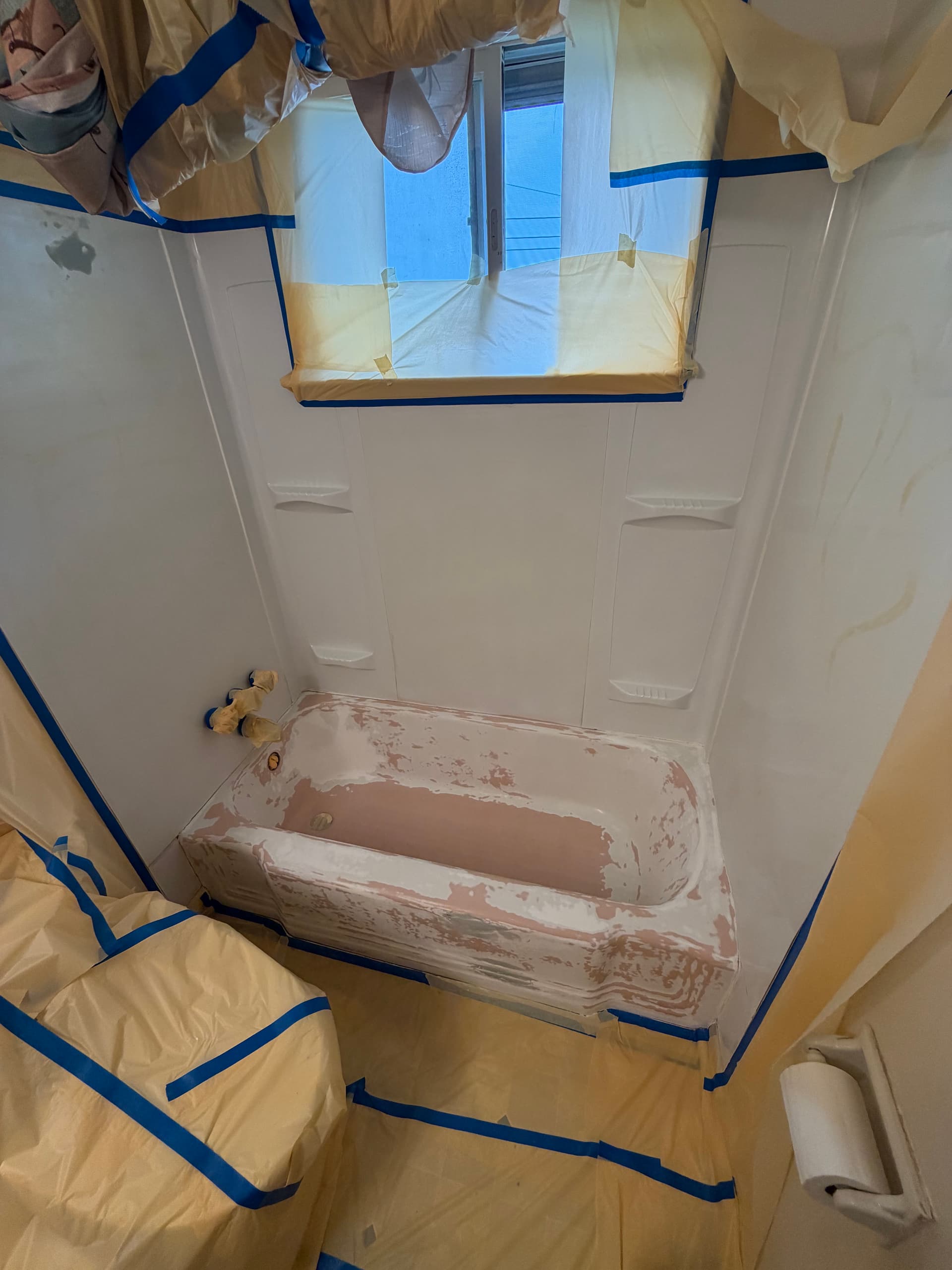
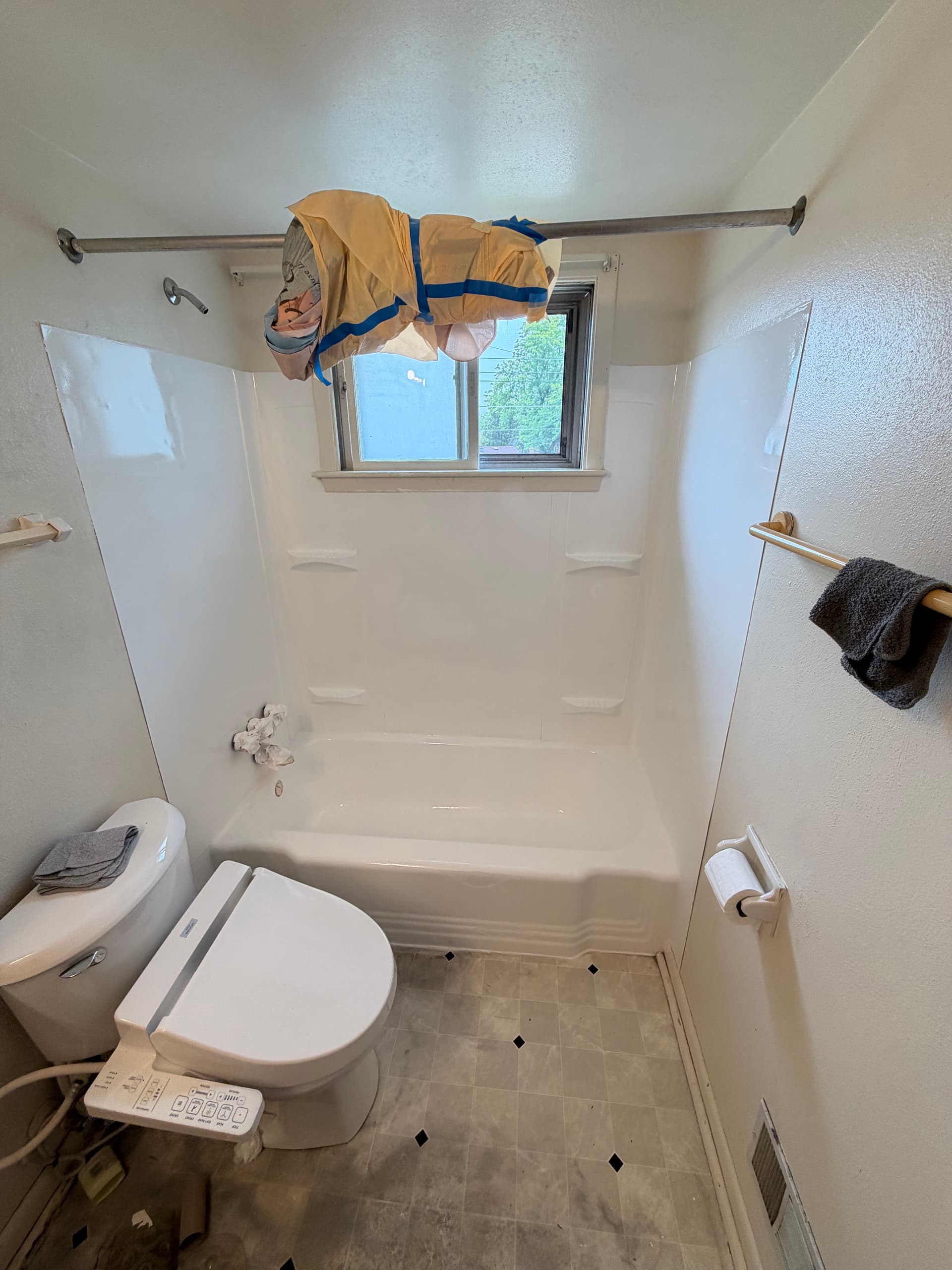
We sanded everything down, deep cleaned the surface, applied bonding agent, filled and repaired the damaged areas, laid down primer, and finished with a high-gloss topcoat. Every step in that sequence matters. The bonding agent is what makes the finish stick long-term. The repairs are what keep the surface from telegraphing damage through the new coat. You can see the tub interior locked in solid white with a clean gloss finish - that's the result of doing it in the right order.
The whole bathroom area was masked off completely during the coating process - walls, floor, fixtures - so overspray stays exactly where it's supposed to. That kind of control is part of getting a finish that looks clean and professional, not rushed.
The tub was back in service within 24 hours. No demolition, no days of downtime, no contractor chaos. If your tub has peeling finish, chips, or surface damage, refinishing is almost always the smarter move before you consider a full replacement.